
Water Damage Services
Byron Bay– 24/7 Emergency Service
- 24/7 Emergency Service
- Expert Solutions
- Compassionate Support
Certified Water Damage, Flood Cleanup & Mould Remediation Specialists in Byron Bay. Insurance-Approved, IICRC-Trained Technicians Ready to Respond Within 60 Minutes.
- Residential
- Commercial
- Industrial
- Institutional
Get Your Free Estimate
IICRC Certified Technicians
Fully Licensed & Insured
Direct Insurance Billing Assistance
Available 24/7 Across Byron Bay
A king tide combined with a storm surge can push saltwater up Belongil Creek, inundating low-lying properties in the Arts & Industrial Estate long before the rain gauge shows a critical total. In the hinterland around Coorabell, a week of persistent sub-tropical humidity above 70% is enough to trigger aggressive mould growth inside wall cavities, even without a visible leak. These are the realities of water damage in the Byron Shire, a region where our unique climate and coastal geography present challenges that generic, city-based restoration methods fail to address.
Our teams are dispatched from within the Byron Shire, 24/7, to manage these exact situations. We are not a franchise carpet cleaner; we are career restoration professionals whose work is governed by the Australian AS-IICRC S500 Standard. Our entire focus is on the disciplined science of psychrometric drying, moisture mapping, and restoring structural integrity. From a failed dishwasher hose in a Suffolk Park holiday let to catastrophic blackwater ingress after a Wilsons River flood event affects the region, our goal is to mitigate loss, prevent secondary damage like mould, and restore your property using a documented, verifiable process that local insurance assessors recognise.
Why Byron Property Owners Trust Our Restoration Process
Effective water damage mitigation in Byron Bay requires a deep understanding of local building stock and our subtropical environment. Many classic weatherboard homes in town and elevated properties in the hinterland have sub-floor ventilation issues that trap moisture, leading to cupping floorboards and hidden mould. Our technicians are trained to identify these hyper-local risks. We don’t just extract the standing water; we use FLIR thermal imaging and Tramex non-invasive moisture meters to trace the path of water migration through timber frames and under floorboards, a critical step often missed by generalist builders.
Our business is built on local accountability. The technician who arrives at your property is a direct employee, trained in the specifics of the IICRC S500 Water Damage and S520 Mould Remediation standards. You will receive clear, direct communication from the initial assessment through to the final drying report. We provide the detailed moisture logs and photographic evidence that insurers like NRMA, Suncorp, and Youi require for claims related to recent Northern Rivers flood events.
Our AS-IICRC Certified Water Damage Services
in Byron Bay
Water Damage Restoration
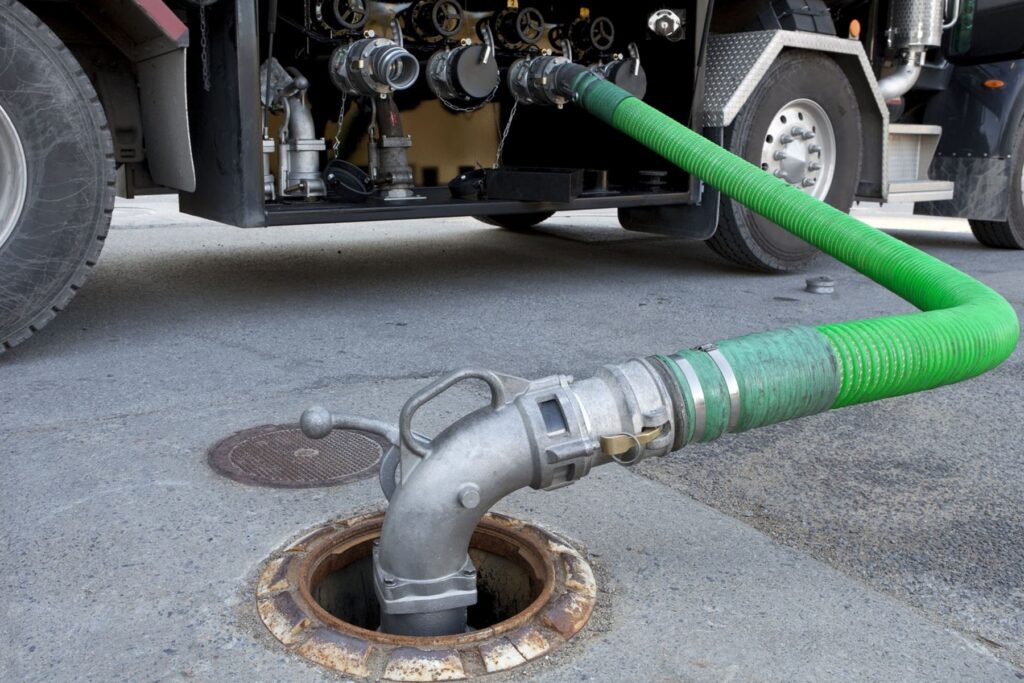
This is our primary discipline. The process begins with immediate water extraction using portable extraction units suited for properties with difficult access, common in areas like Wategos Beach. We immediately deploy thermal cameras to map moisture that has wicked into wall linings and timber subfloors. This initial diagnostic phase is the most critical step to prevent the rapid onset of mould, which can become established in under 48 hours in Byron’s humid climate.
Flood Damage Restoration
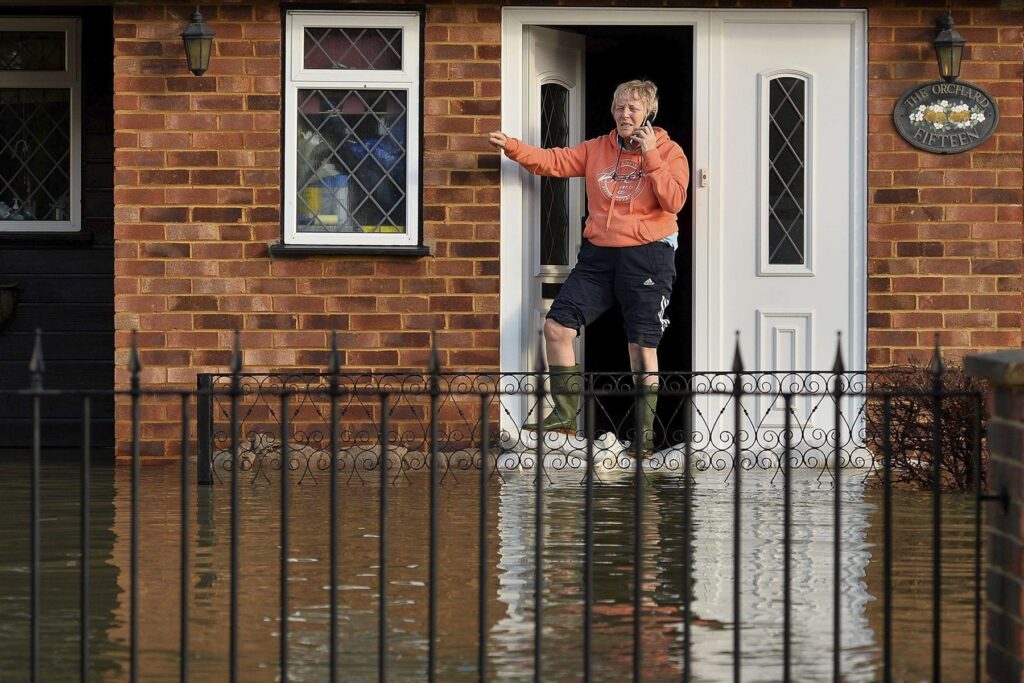
Whether from a burst flexi-hose in a modern apartment or flash flooding from Tallow Creek overflowing into Suffolk Park, our response is immediate. We first classify the water according to the AS-IICRC S500 standard. Category 1 is clean water from a burst pipe. Category 3 is grossly contaminated black water from a creek or sewage line, which requires full containment and specific PPE. The process involves removing bulk water, applying appropriate antimicrobial treatments, and initiating rapid drying to stabilise the structure.
Storm Damage Restoration
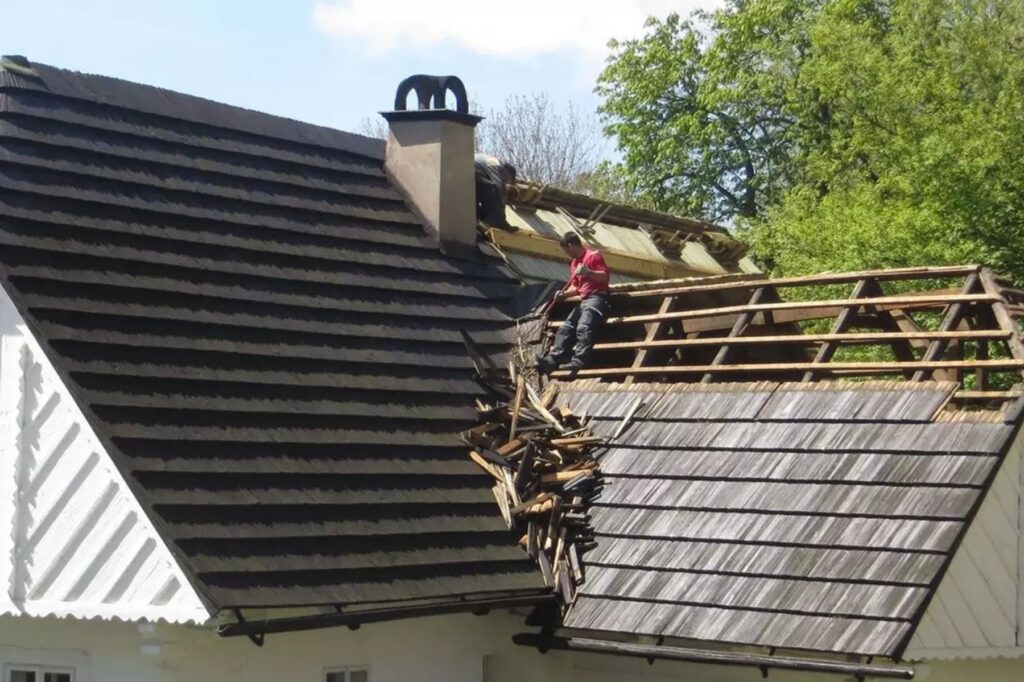
The convergence of La Niña weather patterns and king tides creates significant risk for coastal Byron Bay. These events drive wind-blown rain into wall cavities and under roofing sheets. Our storm response protocol includes emergency make-safes, like tarping damaged roofs, before water extraction begins. We focus on securing the property envelope to stop further water intrusion, then execute a targeted drying plan for water trapped in insulation and structural frames.
Contamination Cleanup
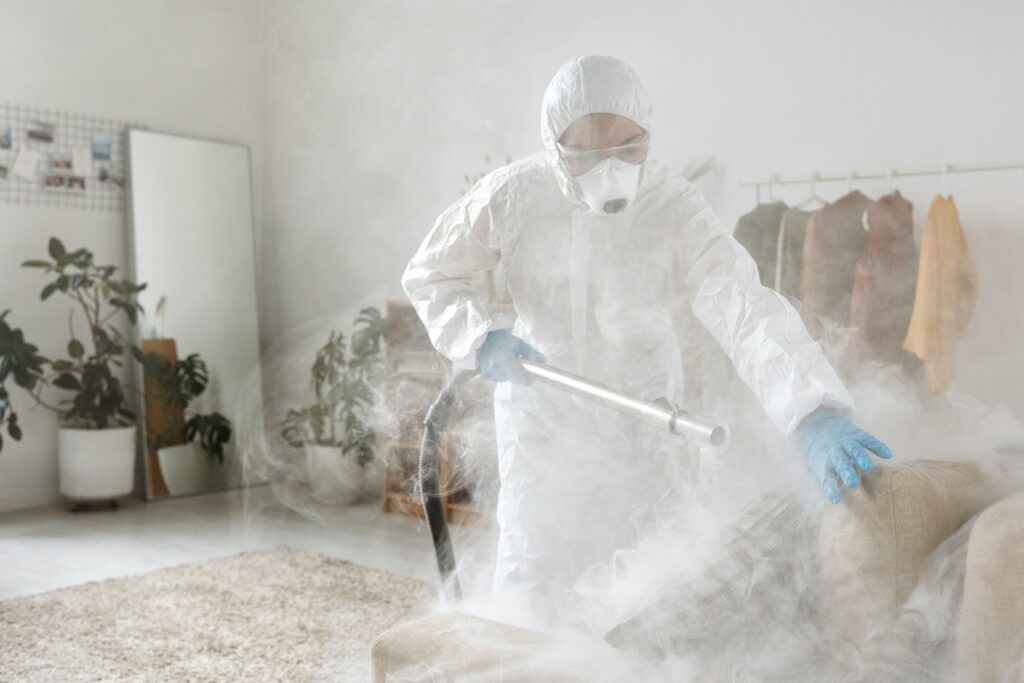
Our technicians are certified and equipped to manage contaminated water events safely. This includes “grey water” (Category 2) from washing machine overflows and “black water” (Category 3) from sewage system back-ups or overland floodwaters, which are often a concern in low-lying areas near the town centre after heavy rain. Handling Category 3 water is a non-negotiable health and safety issue. It requires establishing critical containment barriers, using negative air pressure machines with HEPA filters, and the documented removal and disposal of contaminated materials like plasterboard and carpet underlay.
Structural Drying
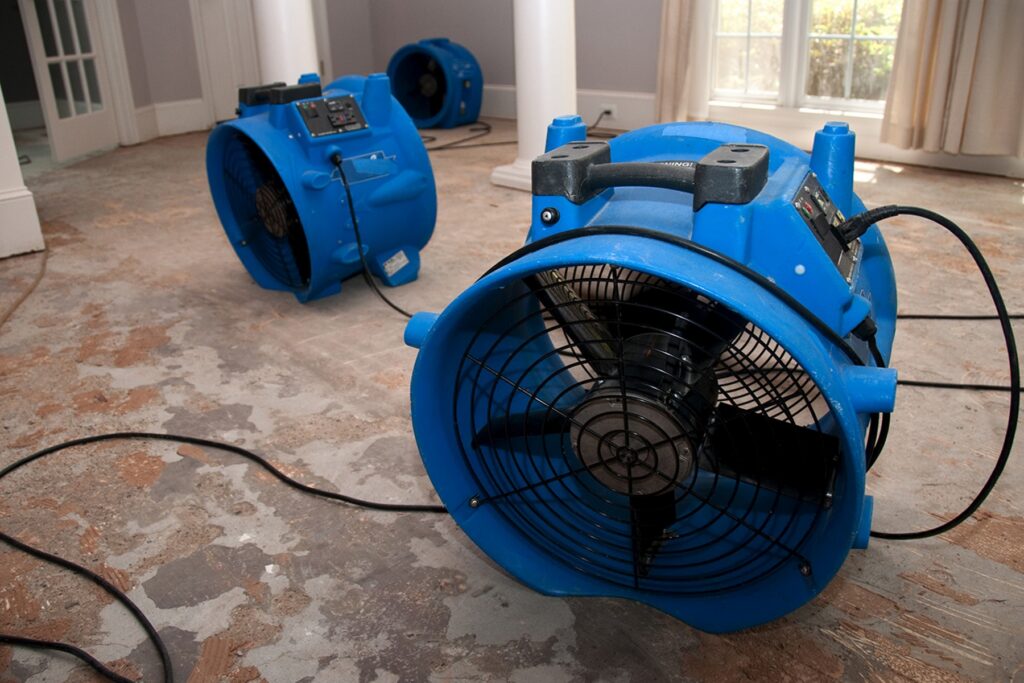
This is a science, not a matter of just placing fans. As Applied Structural Drying (ASD) specialists, we manipulate the environment to promote efficient evaporation. We use a precise balance of LGR (Low-Grain Refrigerant) dehumidifiers to pull moisture from the air, high-velocity air movers to accelerate evaporation from wet materials, and controlled heat to maintain the optimal temperature for drying. We log atmospheric and material moisture readings daily, ensuring we meet the dry standard without causing secondary damage like cracking timber or warped joinery.
Specialised Materials
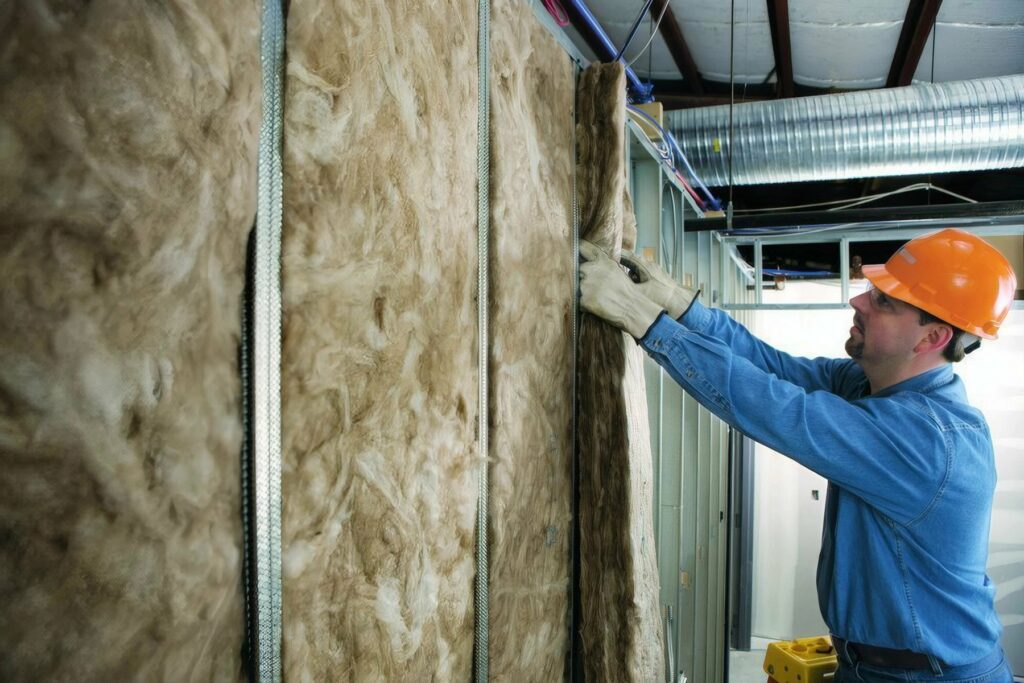
Byron’s architecture is diverse, from historic hardwood floors to modern polished concrete. We have specific drying systems for each. We frequently use injectidry systems to push dry air into wall cavities to save plasterboard. For wet timber floors, a common issue in Queenslander-style homes, we deploy floor-drying mat systems that create a vacuum to pull moisture directly from the hardwood and subfloor. We document every step, noting which materials, like insulation impacted by Category 3 water, must be removed as per the S500 standard.
Odour Removal
A musty, damp smell is a key indicator of ongoing microbial activity. After structural drying is complete and verified, we address residual odours. We use technologies like hydroxyl generators, which are safe to use in occupied areas, to break down the volatile organic compounds (VOCs) that cause unpleasant smells, restoring a neutral indoor environment.
Mould Remediation
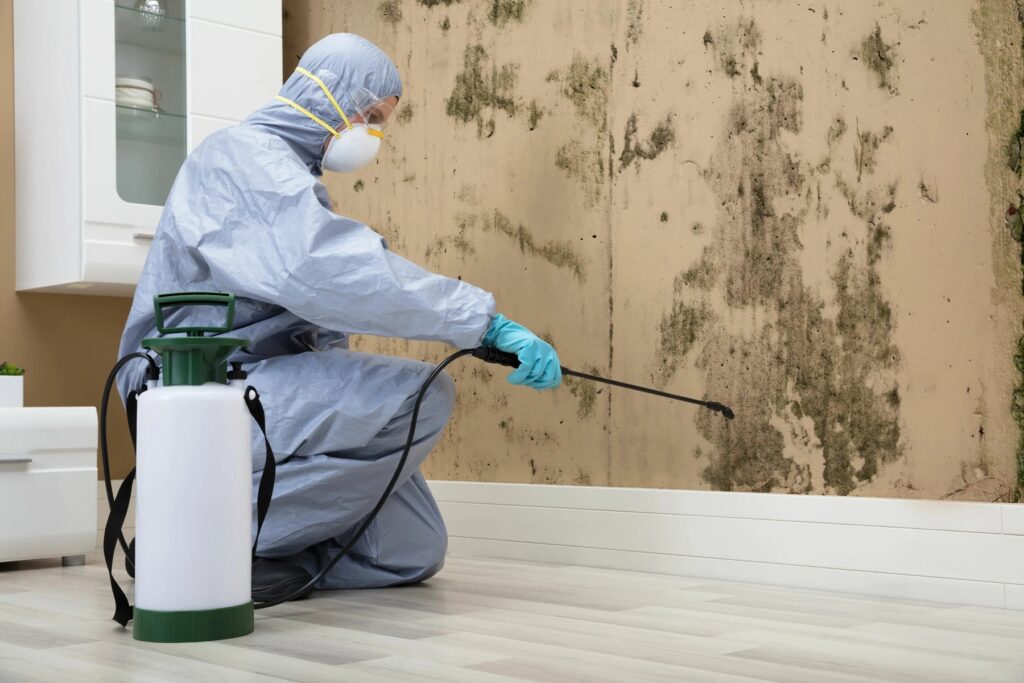
In Byron’s climate, mould is not a secondary issue; it is a primary threat. Our mould remediation process strictly follows the IICRC S520 standard. This involves setting up containment with 6-mil poly sheeting, establishing negative air pressure to prevent spore migration, using HEPA-filtered air scrubbers to clean the air, physically removing the mould growth, and HEPA vacuuming all surfaces before a final detail clean. Critically, we address the moisture source that allowed the growth in the first place.
Feedbacks From Our Byron Bay Clients
We have assisted hundreds of Byron Bay homeowners and businesses, delivering successful water damage restoration across residential and commercial properties.
Servicing Homes & Businesses Across the Greater Byron Region
Our local teams are positioned for rapid deployment across the entire Byron Shire and surrounding areas. We have specific experience with the unique building types and water issues found in:
- Byron Bay CBD & Town Centre
- Suffolk Park & Tallow Beach
- Wategos & Clarkes Beach
- The Arts & Industrial Estate
- The Hinterland (Coorabell, Ewingsdale, Bangalow
- Mullumbimby & Brunswick Heads
- And surrounding Northern Rivers towns
Your IICRC-Certified Restoration Partner in Byron Bay
Our lead technicians hold certifications from the Institute of Inspection, Cleaning and Restoration Certification (IICRC), the non-profit body that sets the global standards for our industry. This requires proving expertise through examination and committing to ongoing education in the science of restoration. When you call us, you are not getting a handyman; you are getting a professional accountable to an international standard of care, adapted for Australian conditions.
Adherence to the Australian AS-IICRC S500 Restoration Standard
We execute every project in strict accordance with the AS-IICRC S500 Standard for Professional Water Damage Restoration. This is the framework that dictates how we assess the Category of water (1, 2, or 3) and Class of drying required. It governs our drying methodology, our documentation, and our verification process. Following this standard is your guarantee that the job is done correctly, protecting your property value and giving your insurance company the audit-ready documentation needed to validate your claim.


Frequently Asked Questions About Water Damage in the Byron Bay
Our goal for emergency calls within the Byron Shire, from Ewingsdale to Suffolk Park, is to be on-site within 60 minutes. Rapid response is crucial to limit water migration and prevent mould growth in our humid climate.
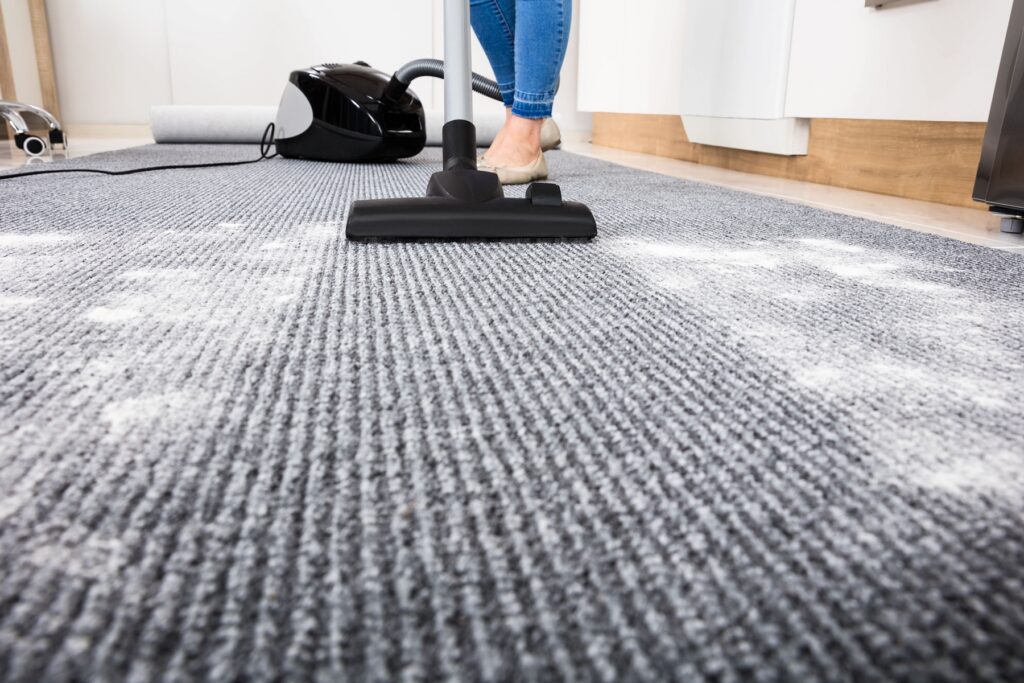
First, ensure your safety. If you can do so safely, turn off the mains water supply and the circuit breakers for the affected area. Avoid using any electrical appliances. Do not use a household vacuum to remove water. Call a certified restoration professional immediately.
The high ambient humidity in the Northern Rivers means that simply opening windows is often ineffective and can even make things worse. We must create a closed drying system, using LGR dehumidifiers to aggressively remove moisture from the air, creating a low humidity environment that pulls moisture from wet materials.
Yes. In the Byron region, water damage and mould are inextricably linked. Our water damage response is fundamentally a mould-prevention process. If mould is already present, we are certified IICRC S520 Mould Remediation specialists and can manage the entire project from containment to clearance.
Absolutely. Water from Belongil Creek, Tallow Creek, or general overland flow is considered Category 3 “black water”. It is grossly contaminated with bacteria, chemicals, and pathogens. It requires specialised safety protocols, and materials like carpet, underlay, and plasterboard must be removed and disposed of, not just dried.
Most home and contents policies cover sudden and unforeseen escape of liquid, like a burst pipe. Flood cover for riverine or flash flooding is often a separate, specific policy inclusion. We work with all major Australian insurers and provide the detailed reports and photographic evidence they require to process your claim according to your policy’s terms.
Immediate Dispatch for Water Damage Emergencies
When you need a certified and reliable water damage restoration service in Byron Bay, our team is on call 24/7.